
Affordable Orthodontist
Braces Starting at $99/Month
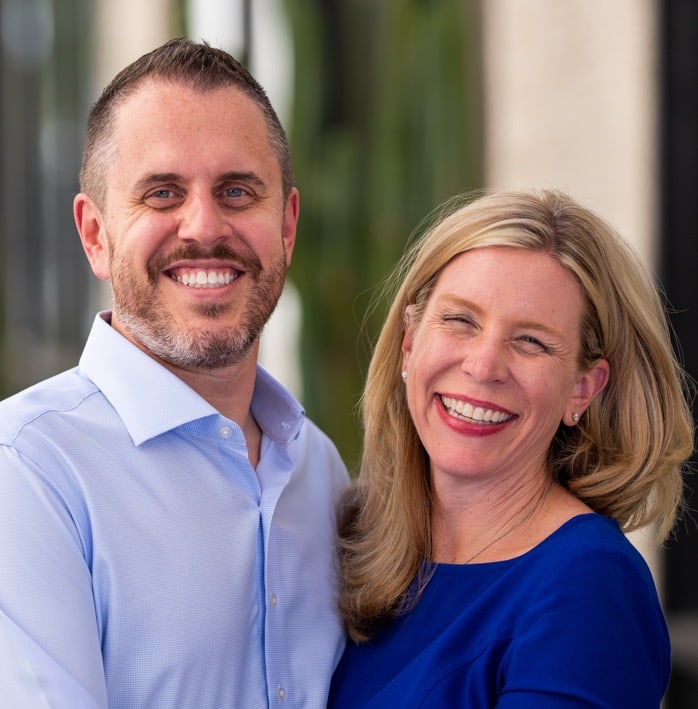
Everyone deserves a beautiful smile. Since 2006, top Phoenix orthodontists Drs. Matthew and Courtney Dunn have created thousands of unforgettable smiles.
With four locations across Phoenix, Scottsdale and Litchfield Park, your orthodontic treatment's always convenient. Whether you're interested in traditional braces, clear braces or Invisalign®, start your smile journey with your free consultation.
Why Choose Us?Our Patients Love Their New Smiles





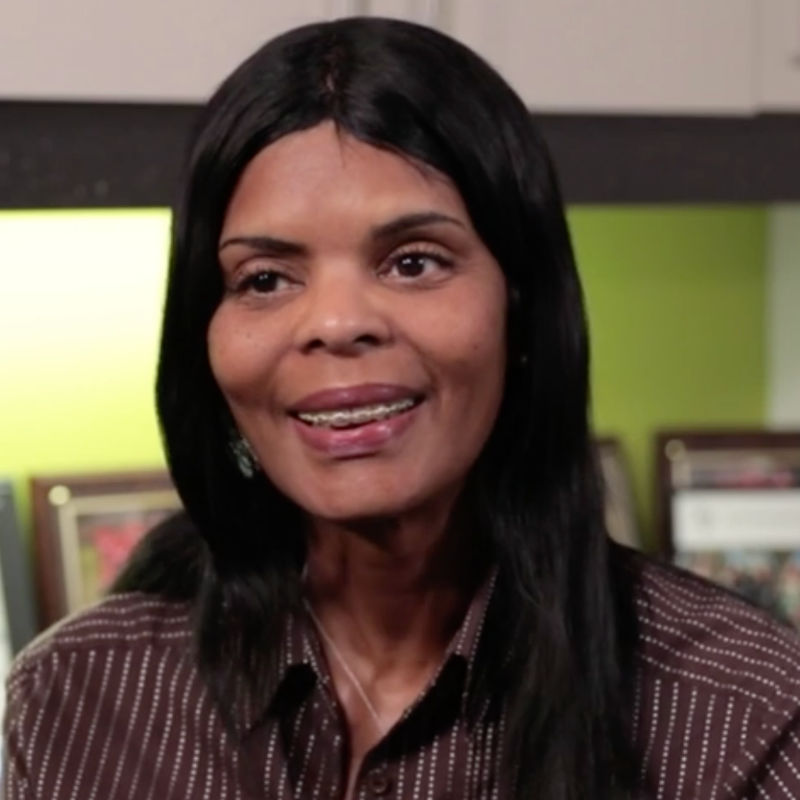

Featured Quote
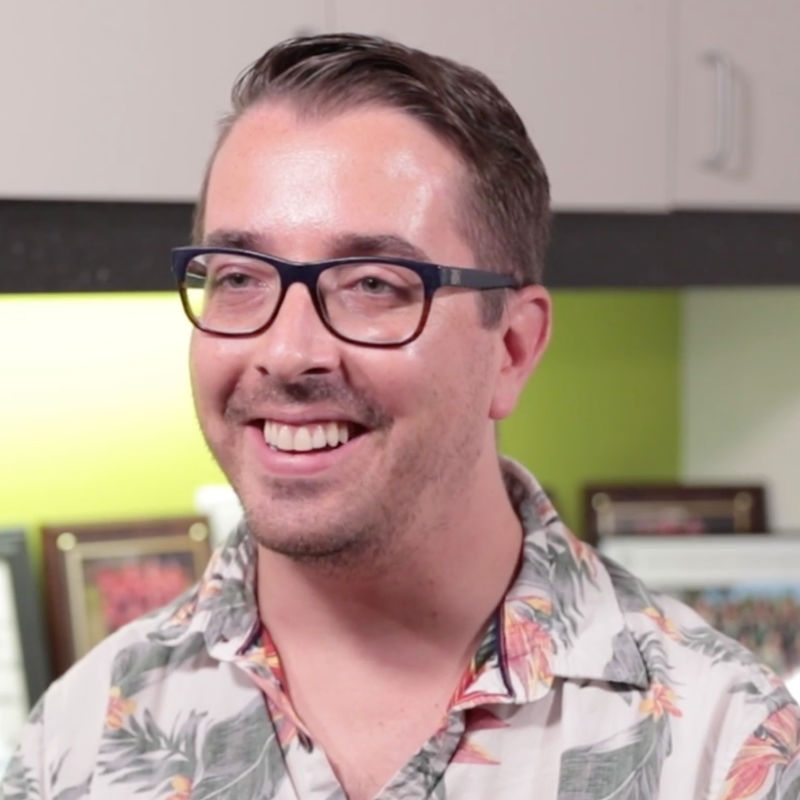
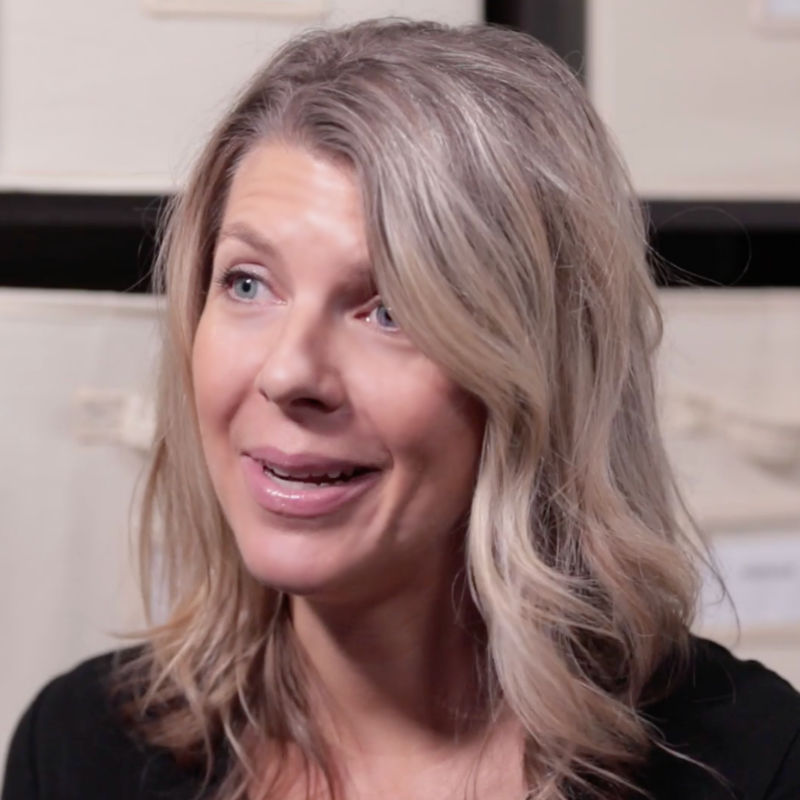
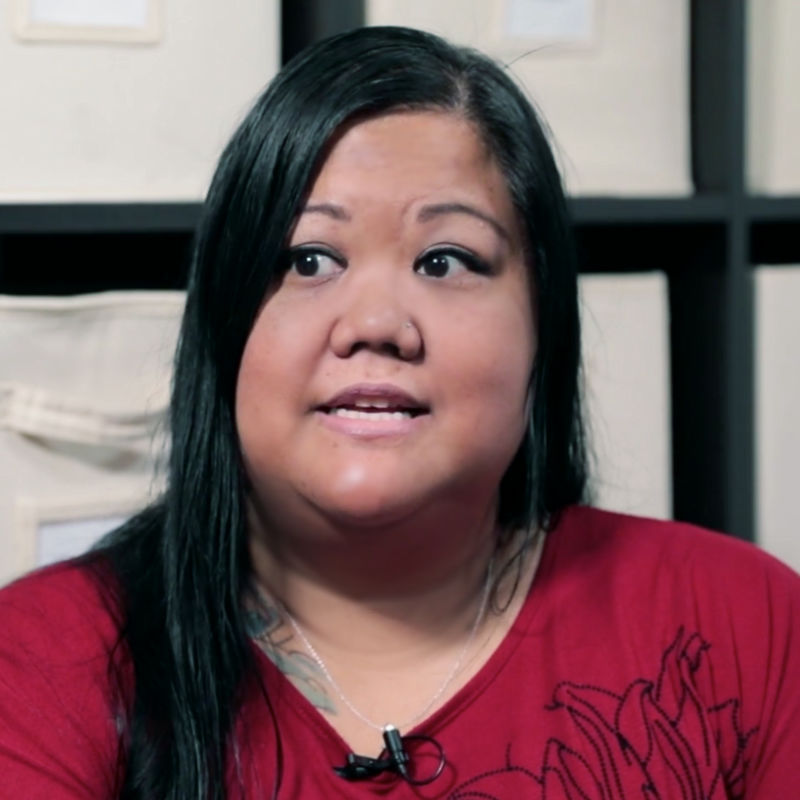
“From our first appointment, we felt like family. They took the time to explain the whole process to us and got us in whenever we needed. We can’t say enough how much we love this group!” – Jennifer O.
You've Got Options
We Make It Easy
You'll Love Our Offices
It's as Easy as 1-2-3
1. SCHEDULE FREE CONSULT: Schedule your free consultation using our Online Calendar.
2. FREE EXAM & DIGITAL X-RAY: Dr. Dunn will conduct an exam including Digital X-Ray to map out a treatment plan.
3. GET STARTED ON YOUR NEW SMILE!: Start on your new confident smile! You can even start the SAME DAY as your consult!

Top Phoenix Orthodontist
Affordable Braces & Clear Aligners
Finances shouldn't get in the way of the smile of your dreams, so we'll help create a payment plan that works with your budget. With interest-free financing starting at $99/month, your average monthly payment may be lower than you think.
If you're looking for a Phoenix orthodontist you can trust, look no further than Dunn Orthodontics. We're dedicated to helping you achieve the smile of your dreams, and we can't wait to get started. Contact us today to schedule your consultation and learn more about our range of orthodontic services, including braces, Invisalign and more.
Learn MoreModern Techniques
Cutting-Edge Phoenix Orthodontist
Your treatment will use modern techniques using the latest technology. This gives you faster, more comfortable treatment options.
Because they’re among the 38% of board certified orthodontists, Drs. Matthew and Courtney Dunn can give you treatment you trust.
Getting braces can be a big decision, which is why our Phoenix orthodontist work closely with each of our patients to develop a personalized treatment plan that meets your unique needs and goals. Orthodontic treatment is not just about straightening teeth, but also about improving overall oral health and wellbeing. You will appreciate our holistic approach to treatment, considering factors like jaw alignment, bite function, and facial aesthetics to ensure you achieve the best possible outcome.
Learn More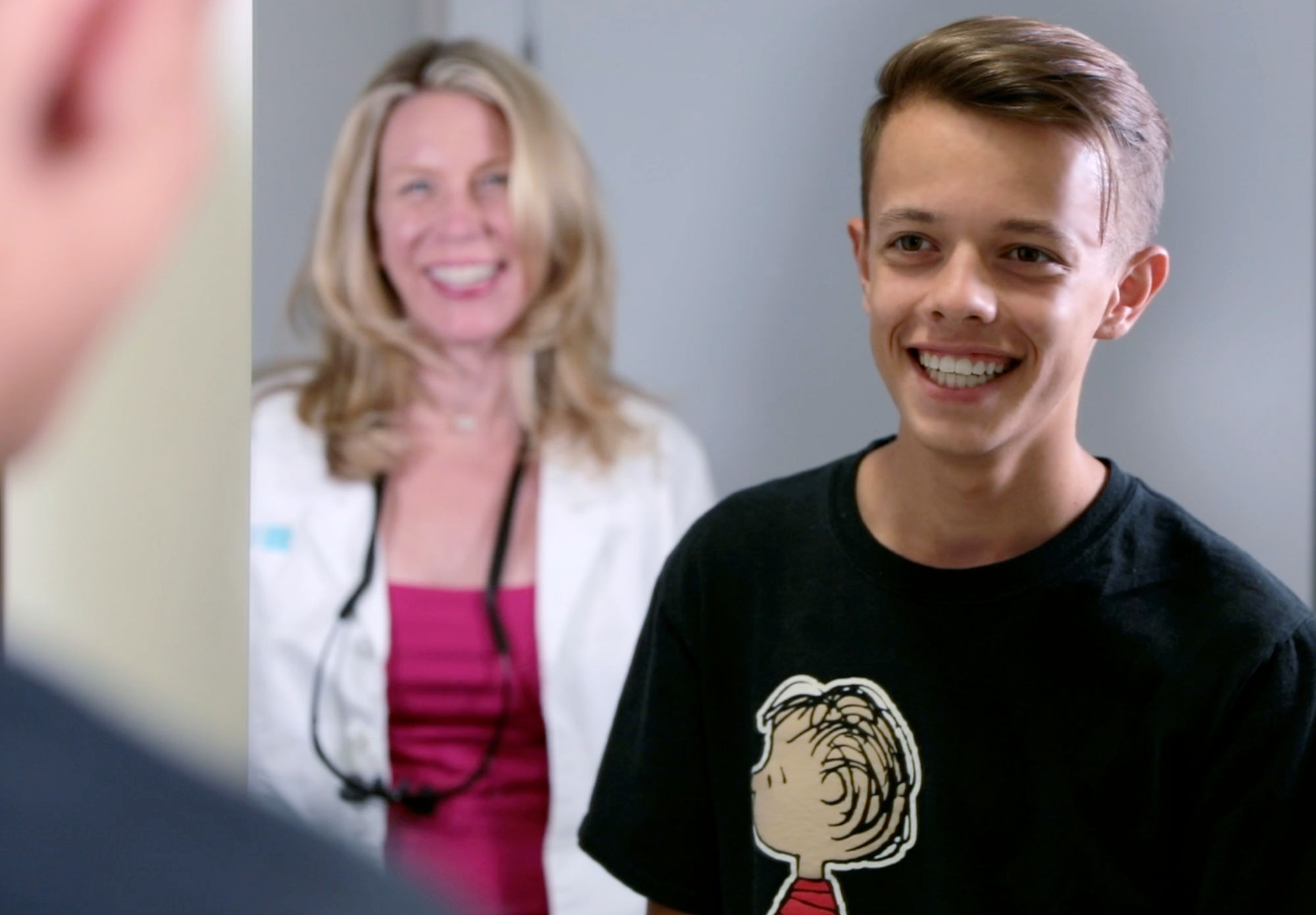
Before & After Photos
We've created thousands of beautiful smiles. Take a look at a few of our amazing transformations.
Going to the orthodontist in Phoenix does not need to feel intimidating, which is why we strive to make every visit as comfortable and stress-free as possible. From the moment you walk through the doors, you'll be greeted with a friendly smile and personalized attention from the Dunn Orthodontics team.
View Before & Afters
As Featured In